


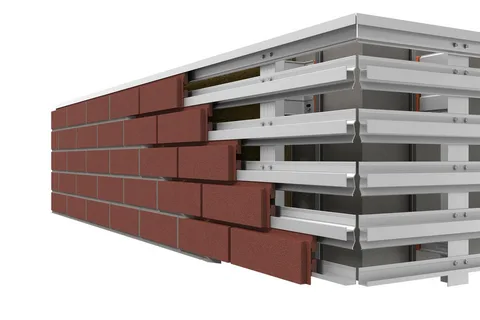
Walls play an important role in defining the appearance, functionality, and maintenance requirements of an interior space. Beyond paint and traditional tiles, solid surface wall cladding systems offer an alternative for creating smooth, durable, and visually consistent wall finishes. These materials are particularly useful in environments where cleanliness, moisture resistance, and design flexibility are important.
For architects, interior designers, contractors, and property owners, understanding how solid surface materials perform can make material selection easier. Hyundai L&C, through its Hanex acrylic solid surface collection, provides surfacing solutions suitable for various residential and commercial applications, including wall coverings. Choosing the right material and installation approach helps create interiors that remain attractive and practical over time.
What Are Solid Surface Wall Cladding Systems?
Solid surface wall cladding systems use engineered surface materials to cover interior walls, providing a finished layer that combines decorative appeal with functional performance. Unlike conventional wall finishes that rely on separate tiles, grout, or paint coatings, solid surface panels can create a more continuous appearance.
Acrylic solid surface is generally manufactured using acrylic resins, mineral fillers, and specialized additives. This composition produces a homogeneous material with consistent characteristics throughout its thickness. Depending on the product and fabrication method, sheets can also be cut, shaped, and joined to accommodate different architectural requirements.
These properties make solid surface materials suitable for applications such as:
- Bathroom and shower wall coverings
- Healthcare and clinical interiors
- Commercial washrooms
- Hospitality and hotel interiors
- Kitchen backsplashes and surrounding wall areas
- Reception areas and other decorative interior features
The suitability of a particular material depends on its technical specifications, intended environment, and installation requirements.
Key Benefits of Acrylic Solid Surface Wall Cladding
Material selection should consider more than appearance. A wall finish must also withstand everyday use, accommodate cleaning routines, and maintain its condition under expected environmental conditions.
1. Non-Porous Surface for Easier Maintenance
One important characteristic of acrylic solid surface is its non-porous construction. Unlike some natural materials with absorbent surfaces, a properly fabricated solid surface does not readily absorb everyday spills and contaminants.
This characteristic makes cleaning more straightforward, particularly in spaces where hygiene is a priority. Bathrooms, healthcare facilities, and commercial washrooms can benefit from smooth wall finishes that do not depend on numerous grout joints.
Regular cleaning with manufacturer-approved products helps maintain the surface. However, users should always follow the specific care instructions for their selected material.
2. Seamless Appearance
Traditional wall coverings often contain visible joints that can interrupt the overall design. Solid surface materials offer opportunities to create cleaner transitions through carefully planned fabrication and installation.
Fabricators can join panels with color-matched adhesives and finish the connections to reduce their visibility. This approach creates a more continuous appearance across larger wall areas.
Seam placement still matters. Installers must consider panel dimensions, corners, plumbing fixtures, and other architectural features before fabrication begins.
3. Design and Fabrication Flexibility
Acrylic solid surface is valued for its ability to accommodate different shapes and design requirements. Depending on the product specifications and fabrication process, sheets can be cut and thermoformed into curved or customized components.
This flexibility allows designers to consider more than flat wall panels. They can incorporate rounded transitions, integrated design details, and coordinated surfaces within the same interior scheme.
Color selection also contributes to design flexibility. Neutral shades can complement minimalist interiors, while distinctive patterns and deeper colors can create stronger visual interest.
4. Repairability and Long-Term Appearance
Wall finishes in busy environments may experience scratches, minor surface damage, and everyday wear. One advantage of solid surface materials is that certain superficial imperfections can be addressed through appropriate sanding and refinishing procedures.
This repairability can help extend the useful appearance of an installation without requiring complete panel replacement for every minor surface issue.
The repair method depends on the depth and type of damage, as well as the manufacturer’s recommendations. Professional assessment is advisable when dealing with significant damage.
How to Choose the Right Solid Surface Wall Cladding
Selecting a suitable material requires evaluating the intended application, environmental conditions, design requirements, and maintenance expectations.
Consider the Installation Environment
Start by identifying where the wall cladding will be installed. A bathroom, healthcare facility, restaurant, and hotel corridor have different performance requirements.
For moisture-prone environments, review the product’s moisture resistance, recommended installation details, and compatibility with waterproofing systems. Wall cladding should not automatically be treated as a replacement for the waterproofing layer required by building specifications.
For commercial spaces, consider cleaning frequency, expected traffic, and exposure to cleaning chemicals.
Evaluate Thickness and Panel Dimensions
Panel dimensions influence the number of joints, fabrication requirements, and installation approach. Larger sheets may reduce the number of visible connections across an expansive wall.
However, sheet size availability varies by product and color. Designers should consult technical documentation and suppliers before finalizing drawings.
Thickness should also be selected according to the manufacturer’s recommendations and the structural requirements of the installation.
Match Colors and Textures to the Interior
The selected wall finish should complement nearby flooring, countertops, cabinetry, fixtures, and lighting.
Consider these practical design approaches:
- Use lighter shades to create a clean, understated appearance.
- Select subtle patterns when coordinating with visually detailed flooring.
- Consider darker colors for feature walls and selected architectural elements.
- Request material samples to assess how colors appear under actual room lighting.
Reviewing samples before ordering helps reduce the risk of choosing a finish that looks different from the original design concept.
Installation Considerations for Solid Surface Wall Panels
Even high-quality materials require proper preparation and fabrication to achieve reliable results. Installation should be handled by professionals familiar with solid surface materials and the manufacturer’s technical requirements.
The process generally involves several important stages.
- Surface assessment and preparation
The installer evaluates the existing wall, checks its condition, and determines whether additional preparation is necessary. The substrate must meet the specified requirements for stability, alignment, and moisture protection.
- Accurate measurements
Measurements account for wall dimensions, corners, openings, plumbing connections, and other fixtures. Accurate planning helps minimize unnecessary cuts and material waste.
- Fabrication and joint planning
Panels are cut to the required dimensions, with particular attention to edges, corners, and connection points. Joint locations should be planned to support the intended appearance and installation requirements.
- Panel installation and finishing
Installers use compatible adhesives, support methods, and finishing techniques according to the manufacturer’s instructions. Seams and edges receive appropriate attention to achieve a consistent result.
- Final inspection
The completed installation should be checked for alignment, surface defects, properly finished joints, and compatibility with surrounding fixtures. Any required sealing and curing procedures must also be completed.
Maintaining Solid Surface Wall Cladding
Proper maintenance helps preserve the appearance and functionality of solid surface wall coverings. Although these materials are designed for practical everyday use, they still require appropriate care.
For routine cleaning, use a soft cloth or non-abrasive sponge with a suitable cleaning solution. Avoid harsh chemicals, abrasive pads, and cleaning products that are not approved for the material.
For more effective long-term care:
- Wipe away spills and surface contaminants regularly.
- Follow the manufacturer’s cleaning recommendations.
- Avoid exposing the material to excessive heat.
- Address scratches and minor damage using approved repair procedures.
- Inspect joints and surrounding fixtures periodically, especially in wet areas.
These practices help maintain a clean finish while reducing the likelihood of preventable surface damage.
Making a Better Long-Term Wall Cladding Decision
Choosing a wall finish involves balancing design preferences with practical performance. Solid surface materials offer several advantages, including non-porous construction, fabrication flexibility, a seamless appearance, and repairability. These characteristics make them worth considering for residential and commercial interiors where maintenance and visual consistency matter.
However, successful results depend on selecting an appropriate product, reviewing its technical specifications, and working with experienced fabricators and installers. Proper substrate preparation, joint planning, and ongoing maintenance are equally important. Hyundai L&C offers acrylic solid surface solutions through its Hanex collection, providing design professionals and property owners with material options for creating functional and visually consistent interior spaces.
By evaluating these factors before beginning a project, property owners and design professionals can make more informed decisions about solid surface wall cladding systems. A well-planned installation can provide a refined interior appearance while supporting the everyday demands of the space.