


Concrete floors are known for their strength and durability, but they are not immune to damage. Changes in temperature, moisture exposure, soil movement, heavy loads, and normal wear can contribute to cracks and surface deterioration. Addressing these problems requires more than filling visible gaps. Proper concrete floor crack repair and coating involves identifying the cause of the damage, preparing the surface, selecting compatible repair materials, and applying a suitable protective coating.
For property owners considering a garage floor renovation, understanding these steps can help prevent recurring problems and support better long-term results. Superior Garage Flooring emphasizes the importance of treating concrete repairs and coatings as connected parts of a complete flooring project rather than separate cosmetic improvements.
Understanding Why Concrete Floors Develop Cracks
Concrete naturally changes as it cures and responds to environmental conditions. Although minor cracking can occur in otherwise functional slabs, certain types of damage require closer inspection before repairs begin.
Common causes of concrete floor cracks include:
- Concrete shrinkage: Moisture loss during curing can cause concrete to contract, sometimes resulting in hairline cracks.
- Temperature changes: Expansion and contraction caused by temperature fluctuations can contribute to cracking.
- Excessive loading: Heavy vehicles, machinery, and concentrated loads can place stress on concrete slabs.
- Subgrade movement: Soil settlement or inadequate ground preparation can create uneven support beneath the slab.
- Moisture-related problems: Water intrusion and drainage issues can contribute to concrete deterioration.
Understanding the underlying cause is important because different cracks require different repair approaches. Applying a surface filler without investigating the damage may provide only temporary improvement.
Types of Concrete Floor Cracks and Their Repair Requirements
Not every concrete crack presents the same level of concern. Evaluating its width, depth, location, and movement helps determine the appropriate repair method.
Hairline and Shrinkage Cracks
Hairline cracks are often associated with concrete shrinkage during curing. They may be relatively shallow and stable, making them suitable for compatible crack fillers or repair compounds.
However, their appearance alone does not establish whether they are harmless. An assessment can help determine whether the cracks are superficial or connected to deeper structural concerns.
Static Cracks
Static cracks are those that are no longer actively widening or moving. Depending on their dimensions and condition, they may be repaired using epoxy or polyurethane-based products designed for concrete applications.
Epoxy materials are commonly used when a strong, rigid bond is required. Polyurethane products offer flexibility in applications where some movement or moisture conditions must be considered. Product selection should follow the manufacturer’s specifications and the actual condition of the slab.
Moving or Structural Cracks
Cracks that continue to widen, show vertical displacement, or appear alongside significant slab movement require more careful evaluation. Simply filling these openings and covering them with a coating may not address the underlying problem.
Where movement is ongoing, the cause should be investigated before proceeding with protective flooring installation.
Essential Steps for Concrete Floor Crack Repair and Coating
Surface preparation is one of the most important stages of a successful concrete flooring project. Even high-quality coating products can experience premature failure when applied over poorly prepared concrete.
1. Inspect the Concrete Surface
The process should begin with a detailed inspection of the floor. Contractors should identify visible cracks, spalling, pitting, previous coating failures, and areas where the concrete may be deteriorating.
Cracks should be assessed individually to determine whether they are stable, actively moving, or potentially related to structural concerns.
2. Test for Moisture Issues
Moisture vapor transmission can interfere with coating adhesion and contribute to blistering, bubbling, or delamination. A concrete slab may appear dry on the surface while still allowing moisture vapor to move through it.
Appropriate moisture testing helps determine whether the selected coating system is suitable for the slab. Where excessive moisture is identified, additional investigation or a compatible moisture-control system may be necessary.
3. Prepare the Concrete Mechanically
Concrete surfaces often require mechanical preparation to remove weak material, contaminants, and previous coatings. Diamond grinding is commonly used to create a suitable surface profile for coating adhesion.
The preparation method should match the coating manufacturer’s requirements. Dust, oil, grease, curing compounds, and other contaminants must also be addressed before application.
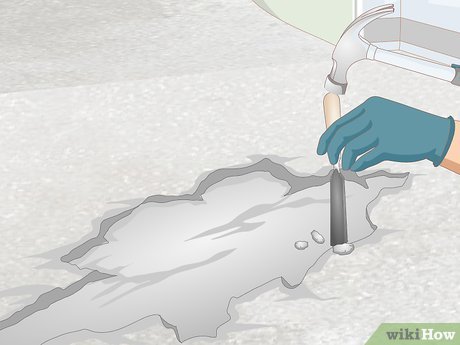
4. Repair Cracks and Surface Defects
Once the concrete has been properly evaluated and prepared, suitable cracks and surface imperfections can be repaired using compatible materials.
The repair compound must receive adequate curing time according to its product specifications. Applying a coating too early can compromise the finished system.
5. Apply the Selected Coating System
The final stage involves applying the primer, base coat, and protective topcoat where required by the selected system.
Each layer should be installed according to the manufacturer’s recommended thickness, environmental conditions, recoat windows, and curing requirements.
Choosing the Right Coating for a Repaired Concrete Floor
Different coating materials offer different performance characteristics. The best option depends on the garage’s intended use, concrete condition, environmental exposure, and maintenance expectations.
Common options include:
- Epoxy coatings: Known for their adhesion and hardness, epoxy systems are widely used on garage floors. They can provide a durable surface when installed over properly prepared concrete.
- Polyaspartic coatings: These systems are valued for their relatively fast curing times and resistance to abrasion and certain chemicals. Installation conditions and product specifications remain important considerations.
- Polyurethane topcoats: Often used as protective finishing layers, polyurethane coatings can provide additional resistance to wear, chemicals, and ultraviolet exposure, depending on the formulation.
Some flooring systems combine multiple coating technologies to achieve specific performance characteristics. For example, an epoxy base coat may be paired with a polyaspartic or polyurethane protective layer.
Rather than selecting a product based solely on its advertised benefits, property owners should consider how the complete system performs under their actual garage conditions.
Make an Informed Decision About Your Concrete Floor
A successful garage flooring renovation starts with understanding the condition of the existing concrete. Crack identification, appropriate repair methods, moisture assessment, mechanical preparation, and compatible coating selection all contribute to the outcome.
Concrete floor crack repair and coating should be approached as a complete process, not simply an opportunity to cover visible damage. By addressing underlying concerns before installation and following manufacturer-approved procedures, property owners can achieve a more consistent, functional, and durable garage floor.
Superior Garage Flooring can help homeowners understand the importance of proper concrete preparation and suitable coating systems when planning a garage floor renovation. Taking time to evaluate the slab and compare flooring options also helps homeowners make informed decisions about their investment and avoid preventable installation problems.