


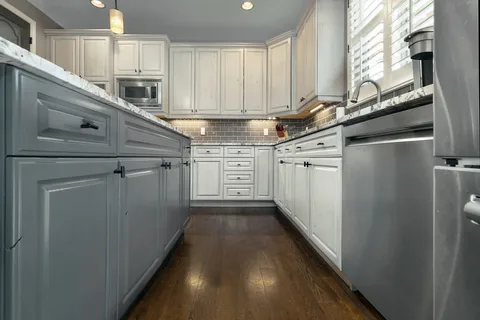
Kitchen cabinets play an important role in a home’s appearance, functionality, and overall interior design. However, years of daily use can leave cabinet doors, drawer fronts, and frames looking worn or outdated. Residential cabinet refinishing services offer a practical way to refresh existing cabinetry without the expense and disruption of a complete replacement. By updating the surface finish, homeowners can give their kitchens a cleaner, more contemporary appearance while preserving the existing cabinet structure. For homeowners considering broader interior improvements, Superior Homes Painting USA provides residential painting services that can help refresh living spaces. Understanding the refinishing process, material requirements, and available finishes can help property owners make informed decisions about their next home improvement project.
Why Consider Residential Cabinet Refinishing Services?
Cabinet replacement is not always necessary when the existing structures remain in good condition. Solid cabinet boxes, properly functioning hinges, and structurally sound doors can often provide a suitable foundation for a surface update.
Residential cabinet refinishing services focus on improving the appearance of existing cabinetry through cleaning, preparation, sanding, staining, or repainting, depending on the material and desired result.
Several advantages make this approach worth considering:
- Lower renovation costs: Refinishing can cost less than purchasing and installing an entirely new cabinet system.
- Less material waste: Keeping existing cabinet structures reduces the amount of material discarded during a renovation.
- Updated interior appearance: A fresh finish can complement new countertops, flooring, backsplashes, and hardware.
- Preserved cabinet layout: Existing storage arrangements can remain unchanged when the original configuration meets household needs.
- Greater design flexibility: Different colors, stains, and finishes allow homeowners to customize the appearance of their cabinetry.
The suitability of refinishing depends on the cabinets’ condition, construction, and existing surface treatment. Cabinets with significant water damage, severe warping, or deteriorating materials may require repairs or replacement instead.
What Does the Cabinet Refinishing Process Involve?
A successful cabinet refinishing project requires more than applying a fresh coat of paint or stain. Proper surface preparation and compatible finishing products play essential roles in achieving an attractive, durable result.
Although specific methods vary according to cabinet materials and project requirements, the process generally involves several stages.
1. Inspecting Cabinet Condition
The first step involves examining cabinet doors, drawer fronts, frames, and exposed surfaces. This inspection helps identify scratches, loose joints, peeling finishes, grease buildup, and other imperfections.
It is also important to determine whether the cabinets are made from solid wood, wood veneer, laminate, or another material. Each surface has different preparation and product requirements.
2. Cleaning and Removing Hardware
Kitchen cabinets accumulate grease, cooking residue, fingerprints, and household dust. These contaminants can interfere with the adhesion of new coatings.
Thorough cleaning helps create a suitable surface for subsequent preparation. Handles, hinges, knobs, and other removable hardware are typically taken off to make application easier and produce cleaner edges.
3. Sanding and Surface Preparation
Sanding helps remove imperfections, smooth existing finishes, and prepare compatible surfaces for new coatings. The appropriate sanding method depends on the cabinet material and the condition of the existing finish.
Damaged areas may also require filling, patching, or minor repairs before refinishing begins.
4. Applying Primer and the New Finish
When repainting is selected, an appropriate primer can improve adhesion and help create a consistent foundation for the finish coat. The primer must be compatible with the cabinet material and selected coating.
The finishing product is then applied according to manufacturer instructions. Proper application, drying conditions, and curing time help support a consistent appearance and long-term performance.
5. Reinstalling Hardware and Inspecting the Results
After the finish has dried and cured sufficiently, cabinet doors, drawers, and hardware can be reinstalled.
A final inspection should check for uneven coverage, visible imperfections, proper door alignment, and smooth operation. Allowing the finish to cure fully before regular use helps protect the completed surfaces.
Choosing the Right Cabinet Color and Finish
Cabinet color can influence the appearance and atmosphere of an entire kitchen. The right selection should complement existing design elements while reflecting the homeowner’s preferred style.
Several popular options provide different visual effects.
White and off-white finishes: These shades create a bright, clean appearance and work well with many traditional and contemporary kitchen designs.
Warm neutral colors: Beige, taupe, and soft gray offer a balanced appearance that pairs well with natural wood elements and various countertop materials.
Dark cabinet finishes: Navy, charcoal, and deep green can create visual contrast and give kitchen interiors a more distinctive appearance.
Natural wood stains: Staining highlights the grain and character of suitable wood surfaces while providing a refreshed finish.
Beyond color, the sheen level also deserves attention. Matte finishes offer a subtle appearance, satin provides a moderate sheen, and semi-gloss creates a more reflective surface. The final choice should account for lighting, maintenance preferences, and the surrounding interior materials.
Refinishing vs. Replacing Kitchen Cabinets
Deciding between refinishing and replacement requires an assessment of both appearance and structural condition. Although both approaches can improve a kitchen, they address different renovation needs.
Cabinet refinishing may be suitable when:
- Cabinet boxes and frames remain structurally sound.
- The existing layout provides sufficient storage and functionality.
- Doors and drawer fronts are repairable.
- The primary concern involves outdated colors or worn surfaces.
- A less extensive renovation is preferred.
Cabinet replacement may be more appropriate when the existing units have substantial water damage, structural deterioration, or an unsuitable layout.
Replacement also provides opportunities to change cabinet dimensions, storage configurations, and kitchen organization. However, it generally involves more extensive work, material purchases, and installation requirements.
Evaluating these differences before starting a project can help homeowners select an improvement that addresses actual household needs rather than appearance alone.
How to Maintain Refinished Cabinets
Proper maintenance helps preserve the appearance of refinished cabinetry and reduces unnecessary wear.
Everyday kitchen activities expose cabinet surfaces to moisture, grease, heat, and frequent handling. Consistent care can help minimize their effects.
Consider these practical maintenance tips:
- Clean surfaces regularly: Use a soft cloth and a cleaning product approved for the cabinet finish.
- Address spills promptly: Remove moisture, food residue, and grease before they accumulate.
- Avoid abrasive materials: Rough scrubbers and harsh chemicals can scratch or damage protective coatings.
- Control excessive moisture: Wipe water around sinks and other frequently exposed areas to prevent prolonged contact.
- Handle doors carefully: Avoid slamming cabinet doors and drawers, which can loosen hardware or damage finished surfaces.
- Follow curing recommendations: Observe the coating manufacturer’s instructions before returning cabinets to normal use.
Cleaning requirements may differ depending on the finishing product. Following the recommended care instructions is important for maintaining the intended appearance.
Finding the Right Residential Painting Professional
The quality of a refinishing project depends on more than the selected paint color. Preparation methods, product compatibility, application techniques, and attention to detail all influence the finished result.
Before hiring a professional, consider the following:
- Relevant experience: Ask about previous cabinet refinishing projects and familiarity with different cabinet materials.
- Preparation methods: Confirm how surfaces will be cleaned, repaired, sanded, and primed.
- Product selection: Discuss the coatings, primers, and finishing products appropriate for the existing cabinetry.
- Project expectations: Request a clear explanation of the work involved, estimated completion time, and preparation requirements.
- Written estimates: Review the proposed scope, material costs, labor, and any additional charges.
- Workmanship protection: Ask about applicable warranties or guarantees and understand their specific terms.
Reviewing these details helps establish realistic expectations and makes it easier to compare professional services. A qualified contractor should be able to explain the recommended process and identify potential limitations before work begins.
Conclusion
Updating kitchen cabinetry does not always require a complete renovation. When existing cabinets remain structurally sound, residential cabinet refinishing services can provide a practical way to improve their appearance, coordinate interior colors, and extend the usefulness of existing materials.
From evaluating cabinet conditions to selecting compatible finishes and maintaining completed surfaces, careful planning contributes to better renovation decisions. Homeowners should prioritize proper preparation, suitable products, and experienced workmanship when considering this type of improvement.
For broader residential painting projects, Superior Homes Painting USA provides interior and exterior painting services, along with custom accent wall options throughout the Greater Phoenix West Valley. Homeowners can contact the company to discuss available painting services and request a free estimate for qualifying projects.