






Natural gas fuels essential heating systems and cooking appliances that families depend on daily. While underground fuel systems quietly deliver steady comfort, aging pipes and worn joints require ongoing attention. Property owners who establish routine care protect their households from unexpected hazards and costly structural damages.
Underground and indoor gas connections naturally experience subtle structural wear from constant environmental changes and routine operational vibrations. Environmental shifts like freezing winter soil and excessive summer heat constantly put physical stress on buried supply piping. Identifying minor pipe imperfections early prevents small line defects from turning into dangerous household hazards. Taking simple preventive steps keeps indoor living environments thoroughly protected and running smoothly throughout the entire year.
Inspecting Exposed Gas Lines Regularly
Homeowners can easily examine visible gas piping in basements and utility rooms throughout the property. Physical inspection of these exposed metal pipes helps identify early surface rust or unexpected moisture accumulation. Corroded metal fittings eventually weaken the outer walls of the pipe and increase the possibility of localized structural failure. Checking these open plumbing zones every few months gives property owners immediate awareness of developing physical wear.
Excessive humidity in lower basement areas often accelerates rust along aging steel and iron fuel lines. Keeping utility rooms properly ventilated and dry slows down outer metal corrosion and preserves structural pipe integrity. Replacing rusted mounting brackets also stops heavy pipes from sagging and placing undue stress on threaded connection joints.
Monitoring Appliance Performance Consistently
Gas-powered household appliances usually provide clear physical signals when fuel delivery rates or burner connections begin to struggle. Healthy burner flames on stovetops and water heaters should always burn with a steady and vibrant blue color. Yellow or orange burner flames often indicate improper fuel combustion or restricted gas flow requiring immediate technical evaluation.
Pilot lights that frequently flicker out or burners that take unusually long to ignite warrant careful examination. Unusually high monthly heating utility bills can also signal a subtle line fault that requires attention.
For instance, homeowners searching for a professional gas leak fix often discover that burner inefficiencies stemmed from minor pressure drops along supply lines. Paying close attention to daily appliance behavior ensures that small mechanical faults receive prompt professional care.
Clearing Outdoor Clearance Zones Promptly
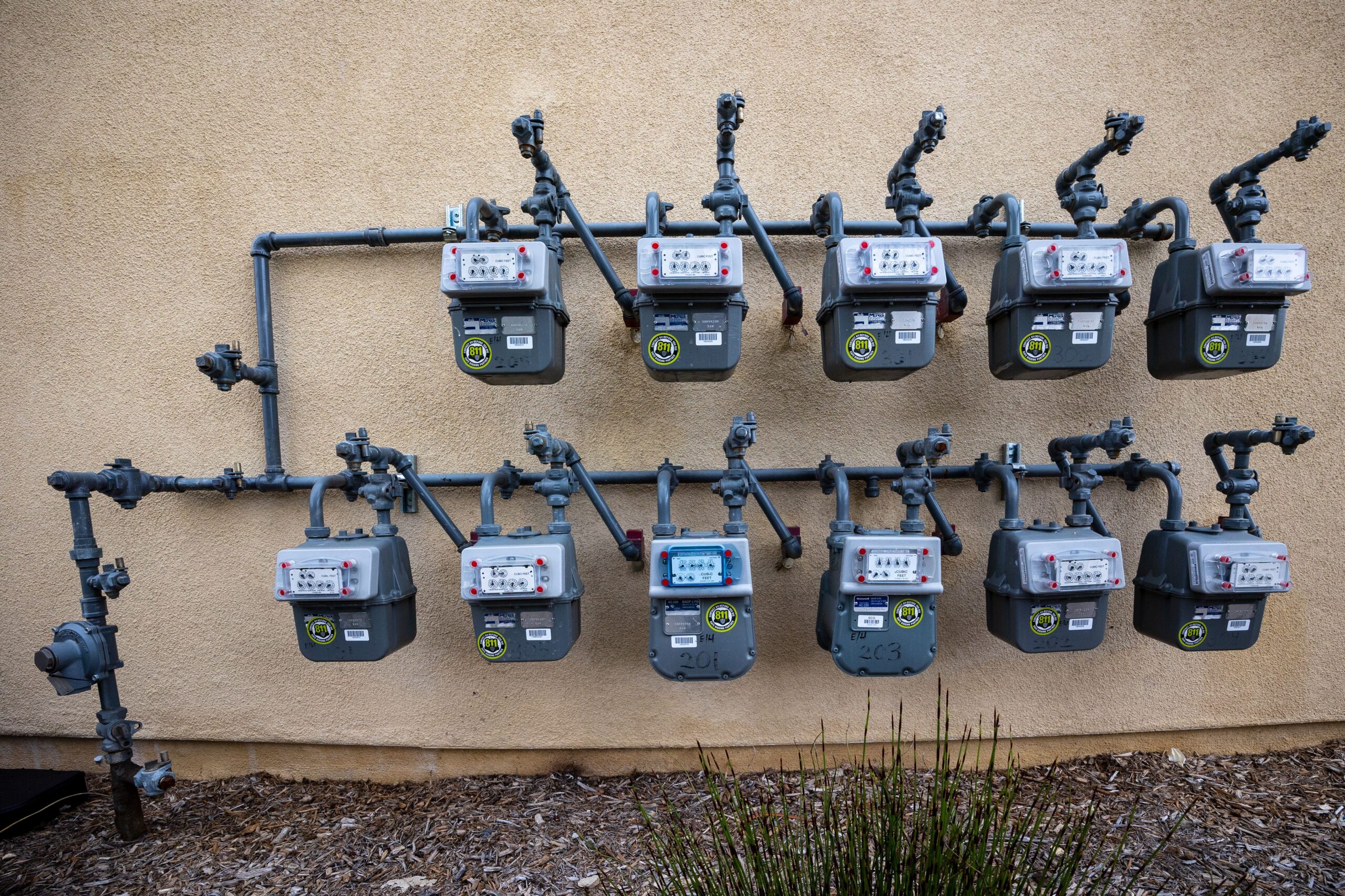
Exterior gas meters and underground pipe routes require clear physical space to operate safely without unexpected environmental physical interference. Overgrown vegetation and thick garden mulch can conceal buried pipes and accelerate metallic line corrosion. Overgrown root structures frequently push against buried lines and create dangerous structural stress on underlying pipe connections. Keeping a clean three-foot perimeter around outdoor gas equipment protects critical components from accidental physical impact.
Heavy snow accumulation and winter ice buildup around outdoor gas meters must be cleared away gently with soft brushes. Never use sharp metal shovels or heavy tools directly against delicate meter regulators or exterior shutoff valves. Maintaining clear physical access allows utility workers and technicians to reach main emergency shutoff controls without delay.
Scheduling Professional Inspections Annually
While visual self-inspections offer great ongoing awareness, licensed plumbing professionals utilize advanced electronic pressure tools to detect hidden line leaks. Professional technicians perform comprehensive pressure tests that identify minute line pressure drops far below human detection abilities.
Annual technical tune-ups give property owners definitive proof that buried fuel lines remain completely airtight and secure. Licensed inspectors examine flexible appliance connectors and main line shutoff valves during every routine checkup.
They verify that fuel lines satisfy modern local building codes and carry proper load ratings for connected appliances. Identifying degraded rubber seals or outdated flexible connectors keeps modern homes operating within strict safety standards while preserving long-term household safety.
Upgrading Aging Supply Valves Proactively
Older homes often contain original shutoff valves that become stiff and fail to close completely during emergencies. Replacing these outdated components with modern quarter-turn ball valves ensures fast, reliable fuel isolation. Every gas appliance also requires an accessible individual shutoff valve paired with a flexible stainless steel connector. Upgrading to modern safety fittings guarantees smooth fuel flow while reducing wear at key connection points.
Preserving Long-Term Property Safety
Maintaining home gas infrastructure requires a mix of visual vigilance and professional equipment upgrades. Taking small preventive steps today protects residential properties from severe damage and unexpected repair expenses. Responsible ownership starts with understanding how buried fuel lines function and recognizing early signs of physical wear.
Combining personal observation with annual professional inspections keeps household fuel delivery systems operating safely for many decades. Homeowners who prioritize underground utility care safeguard their families and preserve overall real estate value over time. Simple habits like maintaining outdoor clearances and checking appliance burner performance make a substantial difference in long-term system reliability. Protecting underground gas connections ensures a safe and comfortable living environment for every family member.