


A missing tooth can seem like a small problem until it begins affecting the little things you do every day. You may chew differently at mealtimes, hesitate before smiling in photographs or become more aware of the gap when speaking. Over time, these adjustments can become part of your routine.
Dental implants offer a way to replace missing teeth with a restoration designed to stay securely in place. While the process involves healing and careful planning, the finished result can make everyday activities feel more natural. The benefits are not only about having a complete smile but also about restoring comfort and confidence in ordinary moments.
Your Morning Routine Can Feel More Familiar
Tooth loss can make oral care feel different. You may pay extra attention to the empty space or worry about food becoming trapped around it.
After an implant has healed and the final restoration has been placed, caring for your smile can become part of a familiar routine again. Your dentist will provide instructions for brushing and cleaning around the implant, and these steps can be incorporated into your normal morning and evening habits.
Regular professional checkups remain important because the implant and surrounding tissues still require care.
Meals Can Become Less of a Calculation
Have you ever looked at a meal and immediately thought about whether you could comfortably chew it? Missing teeth can make certain foods less appealing or require you to change how you eat.
A dental implant provides a stable foundation for a replacement tooth. Once healing is complete, the restored tooth can help you chew more effectively than an untreated gap may allow.
Your dentist will determine when it is appropriate to return to different foods after treatment. Following those instructions during recovery is essential because the implant needs time to integrate with the jaw.
You Can Stop Favoring One Side of Your Mouth
When one tooth is missing, some people naturally begin chewing more frequently on the opposite side. This habit can become so familiar that they stop noticing it.
Restoring the missing tooth can help distribute chewing more evenly. With a properly planned restoration, you may be able to use both sides of your mouth more comfortably.
Your dentist can evaluate your bite and make adjustments when necessary to ensure the restoration works appropriately with the surrounding teeth.
Conversations May Feel Less Self-Conscious
A missing tooth can affect more than chewing. Depending on its location, it may make you more aware of how you pronounce certain sounds or how your mouth looks while speaking.
Because an implant-supported restoration is fixed in place, you do not have to worry about removing it before conversations. Once you adjust to the completed restoration, speaking can feel more natural.
The change may be especially meaningful for people whose daily routines involve frequent meetings, presentations or social interaction.
Photographs Become Less Stressful
Photos can make people particularly aware of their smiles. A missing tooth may lead you to smile less widely, turn your head a certain way or cover your mouth.
Replacing the tooth can help restore the appearance of your smile. The visible crown can be designed to complement the surrounding teeth, including their general shape and shade.
While an implant cannot guarantee a particular cosmetic result, careful treatment planning can help create a restoration that fits naturally into your smile.
You May Feel More Comfortable Away From Home
Tooth loss can sometimes affect travel and social plans. You may think about what foods will be available, whether you can find a convenient bathroom to clean a removable appliance or how your smile will look during a trip.
A fixed implant restoration can eliminate some of these practical concerns. Once your dentist confirms that the implant has healed and the restoration is functioning properly, it can remain in place during everyday activities.
You still need to maintain good oral hygiene while traveling, but the restoration does not require the same removal routine associated with some other tooth replacement options.
The Jaw Receives Support Where the Tooth Was Lost
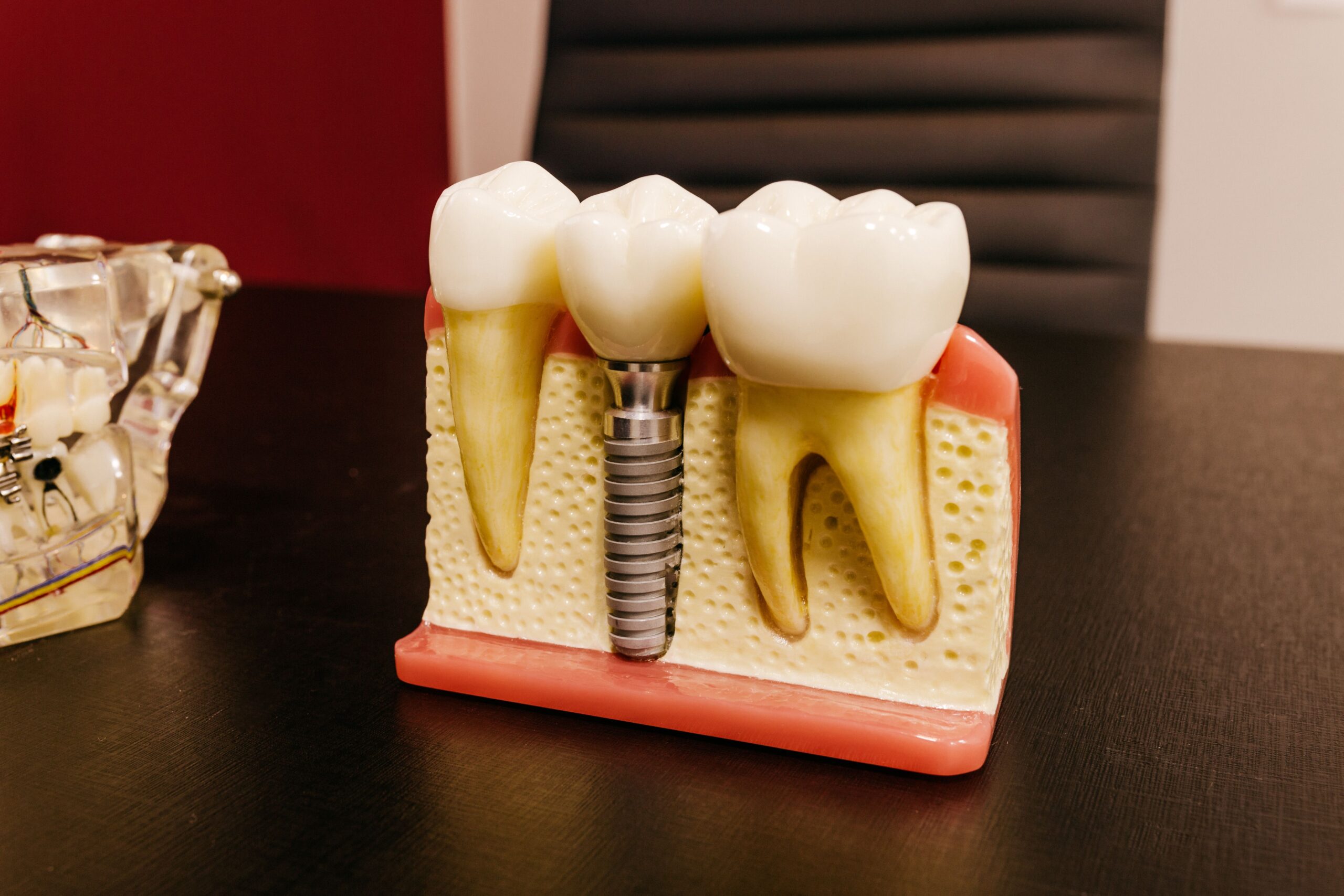
Dental implants have a feature that distinguishes them from many other replacement options: the implant is placed into the jawbone to act as an artificial root.
After a natural tooth is removed or lost, the surrounding bone can gradually change. An implant can provide stimulation to the bone after it has successfully integrated.
This does not mean an implant will completely prevent changes to the jaw. However, replacing the root can be an important consideration when planning for long-term oral function.
Nearby Teeth Can Benefit From Restoring the Gap
A missing tooth leaves space between neighboring teeth. Over time, surrounding teeth may shift toward that area.
Replacing the missing tooth can help maintain the space and support the existing arrangement of the teeth. This can be particularly important when considering the overall function of the bite.
Your dentist can determine whether an implant is appropriate based on the condition and position of your surrounding teeth.
Confidence Can Return Gradually
The emotional effects of tooth loss are easy to overlook. Someone may become less willing to laugh openly or participate in social situations because they feel uncomfortable about their smile.
A dental implant can provide more than a physical replacement. As you become comfortable with the completed restoration, you may find yourself thinking less about the missing tooth and more about what you are doing.
That shift can make everyday interactions feel easier, although the emotional experience varies from person to person.
Good Care Protects the Result
Dental implants are designed for long-term use, but they are not maintenance-free. Brushing, cleaning between teeth and attending regular dental appointments remain important.
Your dentist may recommend specific cleaning methods depending on your implant and restoration. Monitoring the gums and surrounding teeth can also help identify potential concerns early.
Healthy habits can support the longevity of both the implant and your natural teeth.
The Biggest Benefit May Be Getting Back to Normal
The most meaningful advantage of dental implants may be how little you think about them once treatment is complete. Instead of planning meals around a missing tooth, worrying about your smile or constantly noticing an empty space, you may simply get back to your normal routine.
Dental implants require a commitment to proper treatment and healing, and they are not suitable for every patient. A dental professional can evaluate your oral health and discuss whether this option fits your needs.
When properly planned and maintained, dental implants can help restore everyday function while giving you the freedom to focus less on tooth loss and more on daily life.