


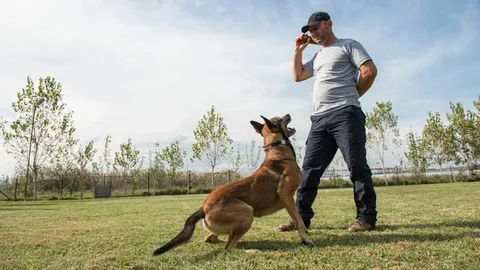
Dog training for difficult dogs is about more than correcting unwanted behaviors. It focuses on understanding why a dog reacts, building trust, and creating clear communication between dogs and their owners. Every dog has different experiences, instincts, and learning patterns, which means successful training requires a personalized approach.
Many owners struggle with dogs that bark excessively, pull on the leash, ignore commands, show fear, or react strongly around people and other animals. These challenges can feel overwhelming, but with consistent guidance, even difficult behaviors can improve. Professional training helps owners learn practical techniques that encourage confidence, obedience, and better daily interactions.
At Rob’s Dog Training, effective training is built around helping dogs develop reliable skills while strengthening the relationship between pets and their families.
Understanding Why Some Dogs Are Considered Difficult
A dog is rarely “difficult” without a reason. Problem behaviors often develop from a combination of genetics, environment, past experiences, lack of socialization, or unclear expectations. Identifying the cause behind a behavior is one of the first steps toward creating a successful training plan.
Common challenges that may require specialized attention include:
- Aggression or reactive behavior toward people or animals
- Excessive barking or whining
- Jumping on guests
- Separation-related stress
- Destructive chewing
- Poor leash manners
- Ignoring commands despite previous training
- Fear-based reactions
Instead of focusing only on stopping unwanted actions, experienced trainers look at the motivation behind the behavior. A dog that lunges on walks may not simply be disobedient. It could be anxious, overstimulated, protective, or lacking the skills needed to handle distractions.
Understanding these factors allows owners to address the root issue rather than repeatedly managing the symptoms.
Why Dog Training for Difficult Dogs Requires a Customized Approach
Every dog learns differently. A method that works well for one dog may not be effective for another, especially when dealing with behavioral challenges.
Dog training for difficult dogs often requires customized strategies based on:
The Dog’s Personality and Temperament
Some dogs are naturally more energetic, independent, sensitive, or cautious. Training should consider these traits to create realistic expectations and productive learning sessions.
The Dog’s Past Experiences
A rescue dog with limited social exposure may need a different approach than a young dog with excessive energy. Past experiences influence how dogs respond to new environments, commands, and people.
The Owner’s Goals and Lifestyle
Training should fit into everyday life. A family with young children may prioritize calm behavior at home, while an active owner may focus on reliable obedience outdoors.
A personalized training plan helps create habits that are easier to maintain long after formal lessons are complete.
Building Better Behavior Through Consistent Training
Consistency is one of the most important parts of improving challenging behavior. Dogs learn through repetition and clear feedback. When expectations change from day to day, dogs may become confused about which behaviors are acceptable.
Owners can improve training results by:
- Setting clear rules and boundaries
- Rewarding desired behaviors immediately
- Practicing commands regularly
- Avoiding inconsistent responses to unwanted behavior
- Creating positive routines at home and in public
For example, if a dog jumps on visitors, every family member should respond the same way. When calm greetings are consistently rewarded, the dog begins to understand that patience leads to positive outcomes.
Training success is often built through small improvements repeated over time.
Addressing Behavioral Challenges With Positive Communication
Effective training is not about forcing obedience through fear. Dogs respond best when they understand what is expected and feel motivated to make the right choices.
Positive reinforcement methods encourage dogs by rewarding behaviors owners want to see more often. This can include praise, treats, play, or other forms of motivation that are meaningful to the individual dog.
For dogs with serious behavioral concerns, professional guidance can help owners develop safer and more effective strategies. Trainers can identify triggers, teach alternative behaviors, and provide techniques for managing difficult situations.
A dog that learns how to respond appropriately becomes more confident and easier to handle in everyday situations.
The Role of Obedience Training in Managing Difficult Dogs
Basic obedience skills create the foundation for better behavior and clearer Dog communication between owners and their pets. Commands such as sit, stay, come, and place are more than simple tricks. They give dogs structure, improve understanding, and help owners set clear expectations in everyday situations.
Reliable obedience can help with:
- Improving impulse control
- Increasing focus around distractions
- Creating safer outdoor experiences
- Reducing unwanted reactions
- Strengthening owner-dog communication
Advanced training can further develop a dog’s ability to respond appropriately in real-world situations. A dog that follows commands in a quiet home environment should also learn how to stay focused around distractions such as traffic, strangers, other animals, and unfamiliar surroundings. Consistent practice helps dogs build confidence while improving their ability to communicate and cooperate with their owners.
Helping Owners Become Better Trainers
Successful dog training depends on the owner’s involvement. Professional lessons provide valuable techniques, but daily practice is what turns those lessons into lasting behavior changes.
Owners can support progress by:
- Practicing short training sessions every day
- Remaining calm and consistent
- Providing mental stimulation
- Encouraging appropriate exercise
- Recognizing progress instead of expecting instant perfection
Dogs are constantly learning from their surroundings. Every interaction can either reinforce positive habits or accidentally encourage unwanted behavior.
When owners understand how dogs think and respond, training becomes more effective and enjoyable.
When Professional Dog Training Makes a Difference
Some behavioral issues can be challenging to handle without expert support. Professional trainers provide experience, structure, and guidance that can help owners move forward with confidence.
Professional training may be especially helpful when a dog:
- Displays aggressive reactions
- Has difficulty focusing around distractions
- Shows extreme fear or anxiety
- Cannot follow basic commands
- Creates safety concerns at home or in public
A trainer can evaluate the dog’s behavior, identify areas for improvement, and create a realistic plan based on the dog’s needs.
Creating Long-Term Success With Difficult Dogs
Training a challenging dog is a process that requires commitment, patience, and consistency. Dog training for difficult dogs focuses on creating clear communication, building trust, and developing reliable behaviors over time. Progress may happen gradually, but every successful command, calm response, and positive interaction builds a stronger foundation.
The goal is not to change a dog’s personality. It is to help dogs understand expectations while giving them the confidence and skills needed to succeed.
With the right approach, many dogs that seem difficult can become well-mannered, responsive companions. Dog training for difficult dogs gives owners the tools to improve communication, reduce stress, and create a healthier relationship with their pets.
For owners looking for professional guidance and a structured training approach, visit robsdogs to learn more about available training solutions.