






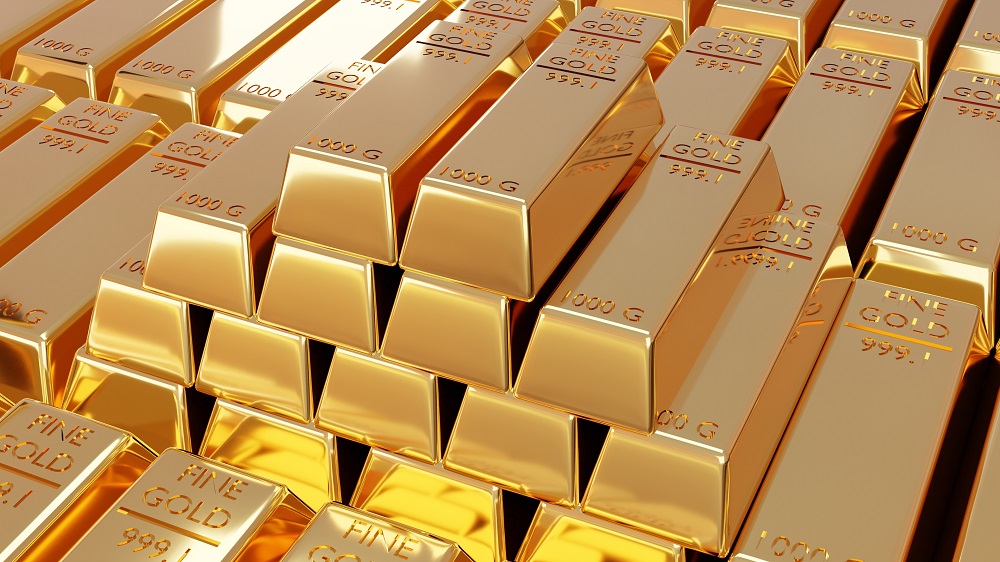
Buying gold or silver bullion can be an appealing way to own physical precious metals, but it is worth understanding what you are purchasing before making a decision. Bullion comes in different forms and levels of purity, and these details can affect its value and resale potential. Prices can also change with the precious metals market, so the amount you pay may not remain the same over time. Taking a little time to learn the basics can make the buying process easier to navigate. Here are some important things to consider before purchasing gold or silver bullion.
Understand What Bullion Means
Bullion generally refers to precious metals valued primarily for their metal content rather than their collectible appeal. Gold and silver bullion are commonly available as bars or coins with a stated weight and purity. Unlike many collectible coins, bullion products are usually priced closely around the current market value of the metal. This makes the weight and purity important factors when comparing different products. It is also useful to understand that a coin can be made from precious metal without being considered bullion in the same sense. Knowing this distinction can help you focus on products that fit your purpose.
Check the Metal’s Purity and Weight
Purity tells you how much of the material consists of the precious metal itself. Gold bullion is often available in high-purity forms, while silver bullion may also come in several purity levels depending on the product. Weight is another key detail because it directly affects the amount of metal you are purchasing. Common bullion weights range from small pieces that are easier to purchase to larger bars intended for substantial holdings.
The weight you choose can also depend on your budget and how much physical metal you want to hold. Always check the markings or documentation provided with the item to confirm the stated weight and purity. These details can also help you compare similar products more accurately. Understanding these specifications gives you a clearer basis for comparing prices and deciding which bullion option makes sense for your purchase.
Compare the Spot Price With the Purchase Price
The spot price reflects the current market value of a precious metal, while the actual price of a bullion product is often somewhat higher. This difference is known as the premium and may cover manufacturing and other costs associated with the product. Premiums are not always the same, so two bullion pieces containing the same amount of metal can still have different prices.
Taking a moment to compare the spot price with the final purchase price can give you a better sense of what you are paying. It also helps put the seller’s price into the right market context. Since precious metal prices can change throughout the day, the amount you see may not stay the same for long. Understanding this difference can make it easier to evaluate bullion prices without looking at the final price in isolation.
Consider Gold Versus Silver
Gold and silver can serve different purposes for buyers. Gold generally has a much higher value per ounce, which means a relatively small physical amount can represent a significant purchase. Silver has a lower price per ounce and can therefore be accessible to buyers who want to purchase smaller amounts of precious metal. The two metals can also experience different market conditions and price movements. Think about what you want to own and how the characteristics of each metal fit that goal. There is no single choice that works for every buyer.
Know the Difference Between Bars and Coins
Bullion bars and coins can both contain investment-grade precious metals, but they offer different characteristics. Bars are available in a wide range of weights and can be practical when buying a specific amount of metal.
Coins may be easier to recognize and can sometimes have additional appeal because of their design or issuing authority. Some coins can also carry premiums that go beyond their basic metal value. This added cost may be influenced by factors such as limited production, demand, or the reputation of the mint that issued the coin. Bars, on the other hand, can provide a straightforward way to purchase a larger quantity of metal in a single piece.
If you are primarily interested in metal content, compare the premium rather than focusing only on appearance. It is also worth considering how easy the product may be to sell later, since familiar bullion formats can make the resale process more straightforward. The right format ultimately depends on what matters most to you when purchasing and eventually selling the bullion.
Consider Where You Buy
The seller you choose can have a significant effect on the buying experience, especially when purchasing physical precious metals. Established bullion dealers typically provide clear information about a product’s weight, purity, pricing, and condition. Many coin dealers, like Coin Shop Arizona, carry bullion along with coins and other precious metal products, which can give buyers more choices to consider based on their needs. Working with a dealer who is familiar with the market can also make it easier to understand the differences between products and ask informed questions before buying.
Still, it is important to review the seller’s policies and understand exactly what is included in the quoted price. Take a moment to ask about anything that seems unclear, particularly when making a larger purchase. A straightforward transaction can help you better understand the product and what to expect after the sale.
Think About Storage Before You Buy
Physical bullion needs to be stored somewhere secure after the purchase. Small amounts may be kept in a suitable home storage solution, while larger holdings may require additional security measures. Some buyers consider professional storage services that are designed specifically for precious metals. Insurance can also be relevant depending on the amount and where the bullion is kept. Before buying, think about how you will protect the metal rather than treating storage as an afterthought. Having a plan in place can make owning physical bullion more manageable.
Understand the Selling Process
Buying bullion is only the beginning of owning physical precious metals. Even if you do not plan to sell right away, knowing how the resale process works can help you make a more informed purchase. When you eventually sell, a dealer will typically look at the current market value of the metal along with the specific bullion product. The amount offered may also vary depending on demand and how easily the item can be resold. This means you should not assume that the price you paid will be the same amount you receive later.
It is also worth asking about a dealer’s buyback process before making a purchase, particularly if you are considering a larger amount of bullion. Having a basic understanding of these factors can help you set realistic expectations. More importantly, it allows you to consider the full ownership experience instead of focusing only on the initial purchase.
Final Thoughts
Gold and silver bullion can be straightforward to understand once you know what factors influence its price and value. Before buying, pay attention to purity, weight, premiums, product type, and the reputation of the seller. It is also worth considering how you plan to store the metal and what selling it might involve later. Taking these points into account can help you make a more informed purchase. The goal is not simply to buy precious metal but to understand the product and transaction before committing to it.