






Keeping a home clean has always required time, effort, and consistency. Today, smart home technology is transforming that routine into something far more efficient and manageable. From automated devices to AI-powered systems, smart cleaning solutions are helping households maintain healthier, cleaner living spaces with less manual work. This shift is not about replacing people—it’s about enhancing how cleaning is done and giving homeowners more control over their time.
The Rise of Smart Cleaning Technology
Smart cleaning technology has grown alongside the broader smart home movement. Devices are now designed to communicate, learn user habits, and adapt to different environments. Cleaning tools are no longer limited to basic mechanical functions; instead, they use sensors, mapping technology, and connectivity to deliver precise and consistent results. This evolution reflects a growing demand for convenience, efficiency, and smarter home management.
Robotic Cleaners: Automation at Its Best
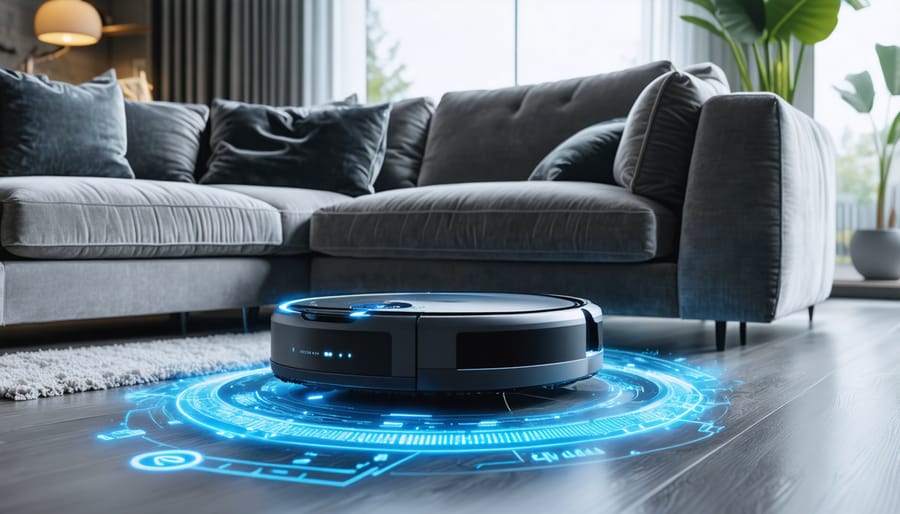
Robotic vacuum cleaners and mops are among the most popular smart cleaning innovations. These devices use advanced navigation systems to map rooms, avoid obstacles, and clean efficiently without supervision. Many models can be scheduled through smartphone apps, allowing homeowners to return to freshly cleaned floors without lifting a finger. Over time, these robots learn room layouts and optimize their cleaning paths, making them increasingly effective.
Smart Appliances That Think Ahead
Beyond robots, traditional cleaning appliances have become smarter. Washing machines can now detect load size and fabric type to adjust water and detergent use automatically. Dishwashers monitor dirt levels and optimize cleaning cycles for energy and water efficiency. These intelligent features not only improve cleanliness but also support sustainability by reducing waste and energy consumption.
AI and Sensors for Deeper, Healthier Cleaning
Artificial intelligence and smart sensors play a crucial role in modern cleaning systems. Air purifiers, for example, monitor indoor air quality in real time and adjust filtration levels automatically. Smart trash bins open hands-free and control odors, while moisture sensors can detect leaks or damp areas before mold becomes a problem. Together, these technologies help maintain a cleaner and healthier home environment.
Smart Home Integration and Central Control
One of the biggest advantages of smart cleaning tools is integration. Many devices connect seamlessly with home assistants and central apps, allowing users to manage cleaning routines alongside lighting, security, and climate control. Voice commands and automation rules make it possible to trigger cleaning tasks as part of a daily routine, such as starting a vacuum when leaving the house.
How Technology Complements Professional Cleaning Services
While smart devices handle everyday upkeep, they work best when paired with professional Cleaning services. Technology can maintain cleanliness between visits, but deep cleaning, specialized treatments, and detailed attention still require human expertise. Many households now use smart tools to extend the results of professional Cleaning services, creating a balanced approach that keeps homes consistently clean with minimal effort.
The Future of Smart Home Cleaning
As technology continues to evolve, smart home cleaning will become even more intuitive. Future systems are likely to predict cleaning needs, customize routines for individual households, and further reduce environmental impact. Instead of reacting to messes, homes will proactively manage cleanliness, setting a new standard for comfort and efficiency.
Final Thoughts
Smart home cleaning technology is changing the way people think about household maintenance. By combining automation, intelligence, and professional Cleaning services, homeowners can enjoy cleaner spaces without sacrificing time or energy. The result is not just a tidy home, but a smarter, more comfortable way of living.