






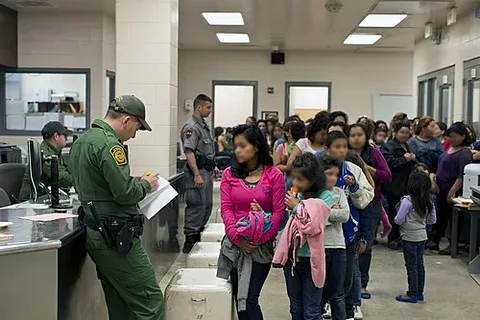
Immigration proceedings can take time to move through the legal system. Court schedules, administrative reviews, and documentation requirements all play a role in how quickly a case progresses. For individuals held in immigration detention, delays in these processes can significantly affect their situation.
Understanding how procedural delays impact detention helps explain why legal oversight and review mechanisms exist within the immigration system.
Why Immigration Cases Sometimes Take Time
Immigration cases often involve multiple legal steps. After detention, a person may need to attend several hearings, submit documentation, and wait for decisions from immigration judges or appellate bodies. Each stage requires time for preparation and review.
Additionally, immigration courts across the United States handle a large number of cases each year. Court backlogs and scheduling limitations can sometimes extend the timeline for hearings and decisions.
These factors can contribute to longer detention periods while cases remain unresolved.
Administrative Reviews and Appeals
In some situations, an immigration case may go through additional administrative review after an initial court decision. Appeals to the Board of Immigration Appeals (BIA) can extend the legal process as the appellate body reviews the decision made by the immigration judge.
While appeals are an important part of the legal system, they may also increase the length of time that a case remains active. During this period, detention may continue depending on the circumstances of the case.
Administrative procedures are designed to ensure that decisions are carefully reviewed, but they can also affect detention timelines.
When Delays Raise Legal Questions
Although immigration detention is permitted under federal law, it is not meant to continue indefinitely without a valid purpose. If a case experiences significant delays, courts may examine whether continued detention remains legally justified.
For example, if removal from the United States is not likely to occur in the foreseeable future, the purpose of detention may become unclear. Courts may evaluate whether the government still has lawful authority to keep the individual in custody.
These legal questions often arise when detention continues for extended periods.
Judicial Review of Prolonged Detention
Federal courts have the authority to review detention cases that raise constitutional or legal concerns. Through judicial review, courts can determine whether immigration authorities are acting within the limits established by federal law.
Judges may analyze factors such as the length of detention, the progress of the immigration case, and whether deportation is realistically possible. This review helps ensure that detention practices remain consistent with constitutional protections.
Individuals experiencing prolonged detention sometimes seek guidance from a Texas Habeas Corpus Attorney to determine whether federal court review of their detention may be appropriate.
The Importance of Monitoring Case Progress
For detainees and their families, staying informed about the progress of the immigration case is important. Tracking court dates, filing deadlines, and administrative decisions can help ensure that the case continues moving forward.
Legal representation can also help identify potential delays and determine whether additional legal steps should be considered.
Careful monitoring of the case timeline can help prevent unnecessary complications.
Conclusion
Delays in immigration proceedings can influence how long a person remains in detention. While administrative reviews and court procedures are necessary parts of the legal system, prolonged detention may raise important legal questions.
Through judicial oversight and legal review, the immigration system provides mechanisms to ensure that detention remains lawful and consistent with constitutional principles.