


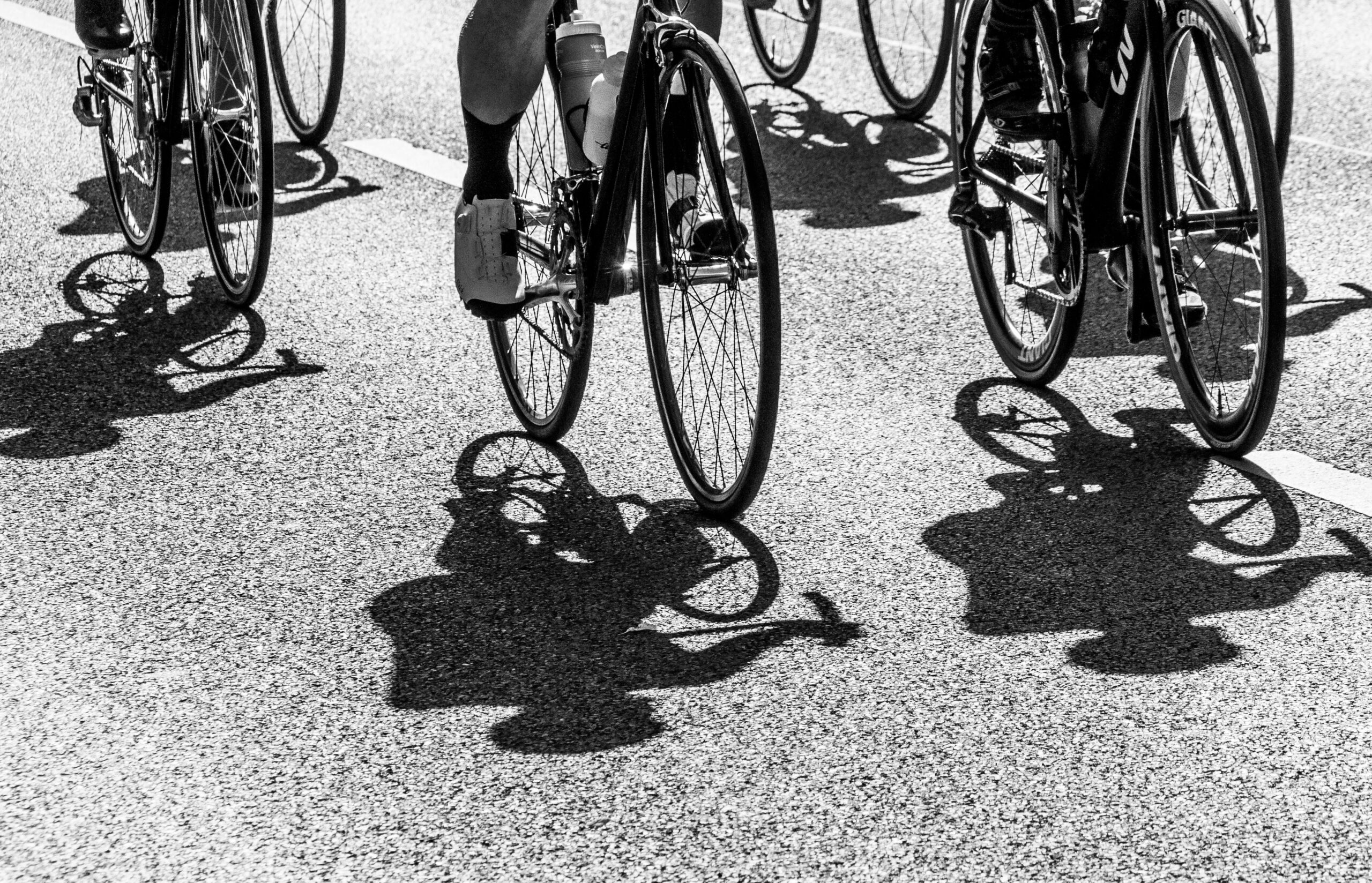
Preparing for a cycling event requires balancing social motivation with focused effort. Striking the right balance between group rides and solo sessions prevents workout fatigue while sharpening handling skills and stamina.
Group rides introduce dynamic pace changes that push cardiovascular limits beyond comfort zones. Fast group efforts simulate race conditions by forcing athletes to react to surges and draft efficiently. However, relying entirely on groups can disrupt a structured plan if the pace becomes too chaotic.
Solo rides provide the controlled environment needed to execute specific intervals with precision. Eliminating distractions allows athletes to listen to their bodies and build both tactical race awareness and physical power.
Evaluating the Benefits of Group Training Sessions
Group rides offer unmatched tactical benefits that simply cannot be replicated when training completely alone. Navigating inside a rotating paceline teaches cyclists how to conserve energy while riding inches away from other wheels. The natural camaraderie of a group also provides powerful mental motivation during brutal high-intensity efforts. Experiencing these real-time pack dynamics builds the split-second decision skills needed to navigate a crowded field on race day.
Social training sessions also build crucial mental toughness through friendly competition and shared suffering. Adapting to unpredictable pace changes forces the body to develop better anaerobic power and recovery capacity. These energetic group dynamics keep weekly training feeling fresh and exciting throughout a long racing season.
Maximizing the Precision of Solo Workouts
Solo training sessions give athletes complete control over their pacing and route selection while making recovery seamless. Completing targeted workouts alone ensures that easy recovery rides stay genuinely easy without the pressure of keeping up with a group. Maintaining steady power output on flat roads or long climbs builds deep physical endurance.
Riding alone fosters strong mental self-reliance that proves vital during tough moments on race day. Athletes learn how to pace themselves accurately without relying on the tempo set by surrounding riders. This solitary discipline ensures every targeted training zone is executed cleanly to achieve specific fitness goals. Developing this deep focus helps cyclists stay mentally grounded when physical exhaustion sets in late in a hard race.
Combining Both Approaches for Optimal Performance
The most successful endurance athletes strategically blend group dynamics with disciplined solo efforts throughout the training week. For instance, dedicated athletes working with personalized guidance like Plan 7 Coaching often use indoor power-based workouts to target precise zones before joining weekend group rides. Combining structured power training with outdoor group riding sharpens both fitness numbers and real-world handling skills.
Structuring your training week around specific performance objectives ensures that every ride serves a clear purpose. Using midweek solo workouts to target physiological weaknesses prepares your body for the unpredictable attacks of group rides. This balanced approach maximizes weekly physical gains while keeping your training routine enjoyable.
Adjusting Your Mix Based on Race Demands
Your target race discipline should heavily influence how you split your time between group and solo sessions. Athletes preparing for mass-start road races or criteriums need frequent group rides to master high-speed cornering and drafting techniques. The fast pace of group efforts prepares your mind for the constant friction and tight spaces of competitive racing.
Long-distance triathletes and time trial specialists require a heavy dose of solo riding to master steady pacing. Practicing long efforts in an aerodynamic position without drafting helps build race-specific muscular endurance. Aligning your weekly riding mix with your goal event ensures you arrive at the starting line fully prepared.
Evaluating the specific terrain profile of your target event also helps determine your ideal preparation strategy. Cyclists preparing for rolling hills or technical descents benefit from simulating those exact conditions during targeted solo workouts. Tailoring every session to match your upcoming race course guarantees your physical conditioning translates directly into peak performance.
Building a Sustainable Weekly Training Schedule
Finding the ideal ratio between group rides and solo workouts sets you up for long-term athletic success. Incorporating one or two energetic group sessions each week keeps your motivation high and sharpens tactical instincts. Surrounding these social rides with focused solo workouts ensures your fitness progression stays strictly on track. Maintaining this deliberate mix helps you continually build physical strength while keeping your passion for riding alive.
A well-rounded training schedule protects you from mental burnout while elevating overall race performance. Listening to your body allows you to adjust the weekly balance whenever fatigue starts to creep in. Equipping yourself with both social adaptability and solo discipline creates a truly resilient competitor.