


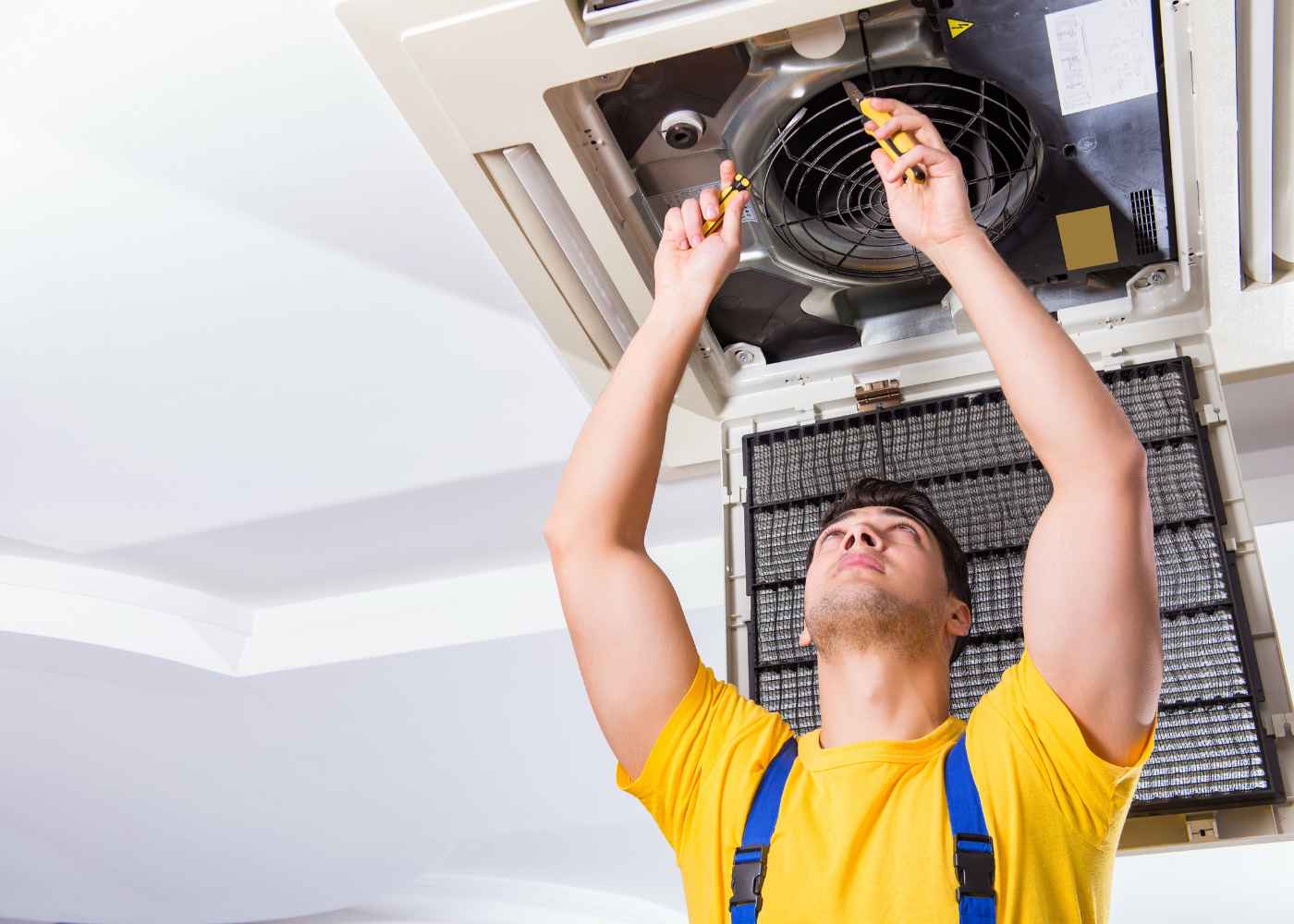
There is a particular kind of dread that comes with an air conditioner going quiet in the middle of a South Carolina August. The house warms up fast, the humidity settles in, and the first thought for most homeowners is not really about comfort. It is about what this is going to cost.
That instinct is understandable. It is also the reason a lot of people end up making an expensive decision. The cheapest-looking option in the moment is rarely the cheapest option by the end of the season.
Catching Small Problems Before They Grow
Air conditioners rarely fail without warning. They tend to complain first.
A system that takes longer to reach the thermostat setting, a faint rattle at startup, a steady climb in the power bill, or water pooling near the indoor unit are all early signals. Each one is inexpensive to address on its own. Each one is also a symptom of something that grows more expensive the longer it goes unattended.
Low refrigerant is the clearest example. Refrigerant is not consumed the way fuel is, so a low charge means there is a leak somewhere in the system. Simply topping it off treats the symptom and leaves the cause in place. Worse, a compressor running short on refrigerant runs hot, and the compressor is the costliest component in the entire unit. Finding and repairing a leak costs a small fraction of what a failed compressor does.
Understanding What Certification Actually Buys You
Handling refrigerant legally requires federal certification, and the rule exists for good reason. Charging a system correctly is a measured procedure rather than a matter of feel, and getting it wrong in either direction shortens the life of the equipment.
Trained technicians also diagnose rather than guess. A unit that will not cool might have a failed capacitor, a seized fan motor, a restriction in the metering device, or a fault on the control board. Swapping parts one at a time until something works is an expensive way to arrive at an answer.
There is a warranty dimension as well. Most manufacturers require that installation and service be handled by a qualified contractor, and unqualified work can quietly void coverage on parts that would otherwise have been replaced at no charge. Established companies such as Long Heating & Air Conditioning, Inc., which has served homeowners around Greenville and Columbia for years, keep that paperwork intact and can tell you what your equipment is still covered for.
Avoiding the Cost of a Premature Replacement
Full replacement is where the real money sits, which makes it worth being careful about who tells you that you need one.
A properly maintained system should last well beyond a decade. Units that die early usually do so for reasons that were preventable: coils left dirty until airflow suffers, a drain line allowed to clog until water backs into the cabinet, a filter neglected until the blower strains against it, or a weak capacitor ignored until it takes the compressor down with it.
An honest technician will also tell you when repair no longer makes financial sense. That is a conversation worth having with someone who explains the reasoning and puts the findings in writing rather than someone quoting a replacement over the phone.
Protecting Your Peace of Mind Through the Season
Summers in the Upstate are long, and the equipment runs almost without pause from late spring onward. Scheduled maintenance ahead of the heat is among the least glamorous money a homeowner spends and among the better returns available.
Maintenance plans exist for exactly this. A seasonal visit catches drift in performance before it turns into a failure, and most plans include priority scheduling, which is worth quite a lot on the afternoon when half the county is calling the same handful of contractors.
Emergency availability matters too. Systems do not fail politely during business hours, and knowing who to call before you need to call them removes a decision you will not want to make while the house is heating up.
The real value in hiring an expert is not the repair itself. It is not lying awake in July wondering whether the thing keeping your house livable is about to quit on you.